
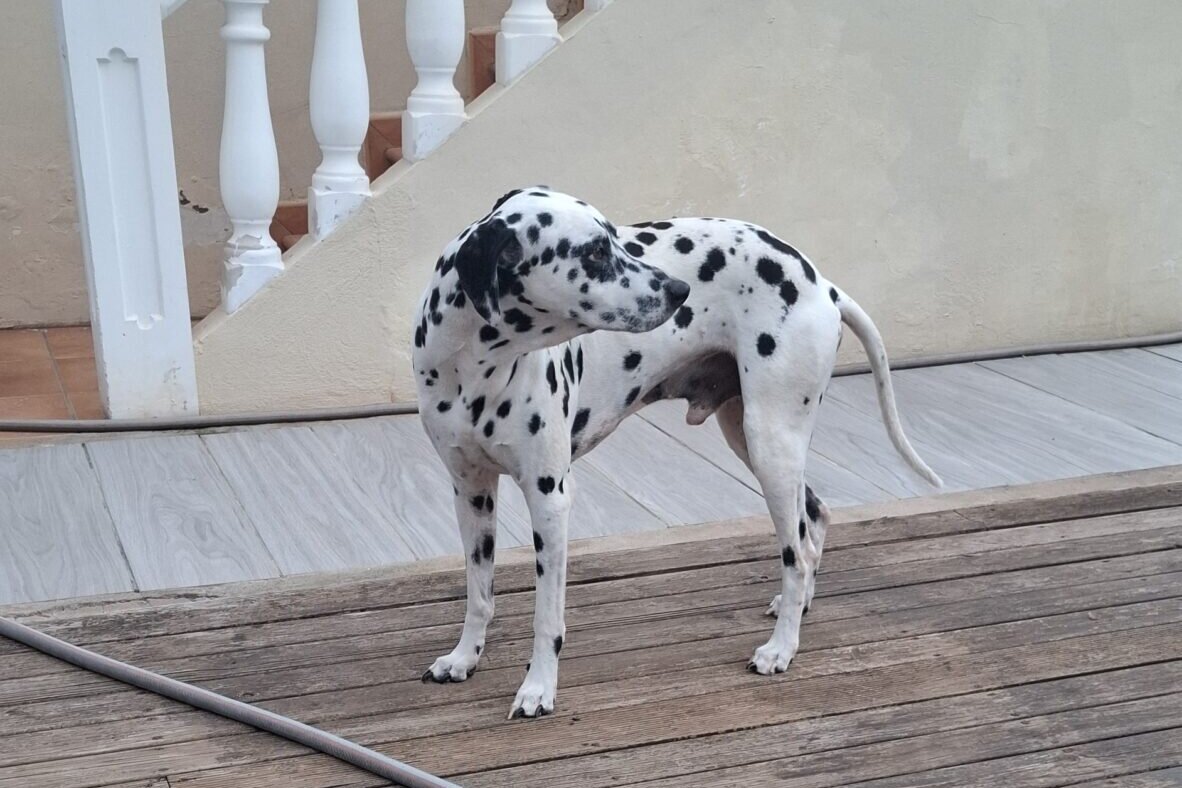
Teo is a ten-year-old Dalmatian who belongs to my son, and I join them on walks as often as I can. He is a very sensitive dog, devoted to his family and kind to everyone, and he still has good energy. But somewhere along the way, without anyone deciding it, Teo became a senior dog. If you are wondering how to care for a senior dog, this guide covers the ten things that matter most, from vet visits and food to exercise, comfort and keeping an older mind busy.
When Is a Dog Considered a Senior?
There is no single birthday. Small dogs often count as seniors from around 10 to 12 years old. Medium dogs reach that stage at around 8 to 10, and large and giant breeds can be seniors as early as 6 to 7. A Dalmatian is a medium-to-large dog, so Teo has been a senior for a while at ten.
What matters more than the number is what you see: more sleep, stiffness after rest, a greying face, changes in appetite, or less patience with noise and busy places. Those signs tell you it is time to adjust how you care for your dog.
How to Care for a Senior Dog: 10 Things That Matter
1. Book Vet Checkups More Often
Many vets recommend a check every six months for older dogs instead of once a year. Problems like kidney disease, thyroid issues, dental disease and arthritis develop slowly, and a dog cannot tell you about them. A blood test as part of the check can catch changes early, when they are easier and cheaper to treat.
2. Keep the Daily Walks, but Change the Shape
Teo loves walks, and at ten he still has good energy for them. What usually needs to change for an older dog is the shape of the walk: two or three shorter walks instead of one long one, a slower start to warm up the joints, and softer ground like forest paths or grass when you can choose. Let the dog set the pace on the way home.
A well-fitted harness also takes pressure off the neck. We compared options in our guide to the best dog harness for senior dogs with joint support.
3. Adjust Food to a Slower Life
An older dog often burns fewer calories, and a few extra kilos put real strain on ageing joints. Watch body shape rather than the number on the bag: you should be able to feel the ribs without pressing hard. Some seniors need fewer calories, while others lose muscle and need more good-quality protein. Ask your vet before switching foods, and change gradually over a week.
If you like cooking for your dog, our post on homemade dog food for senior dogs has recipes and tips.
4. Look After Teeth
Dental disease is one of the most common problems in older dogs, and it hurts. Bad breath, chewing on one side, or dropping food are warning signs. Brushing a few times a week helps, and your vet can tell you whether a professional cleaning is needed.
5. Make the Home Easier to Move Around
Slippery floors are hard for stiff legs. Rugs or runner mats on wooden floors, a ramp or step for the car, and a bed that is easy to get in and out of can make a big difference. Put water and food bowls where the dog does not have to climb stairs to reach them.
6. Give Them a Really Good Bed
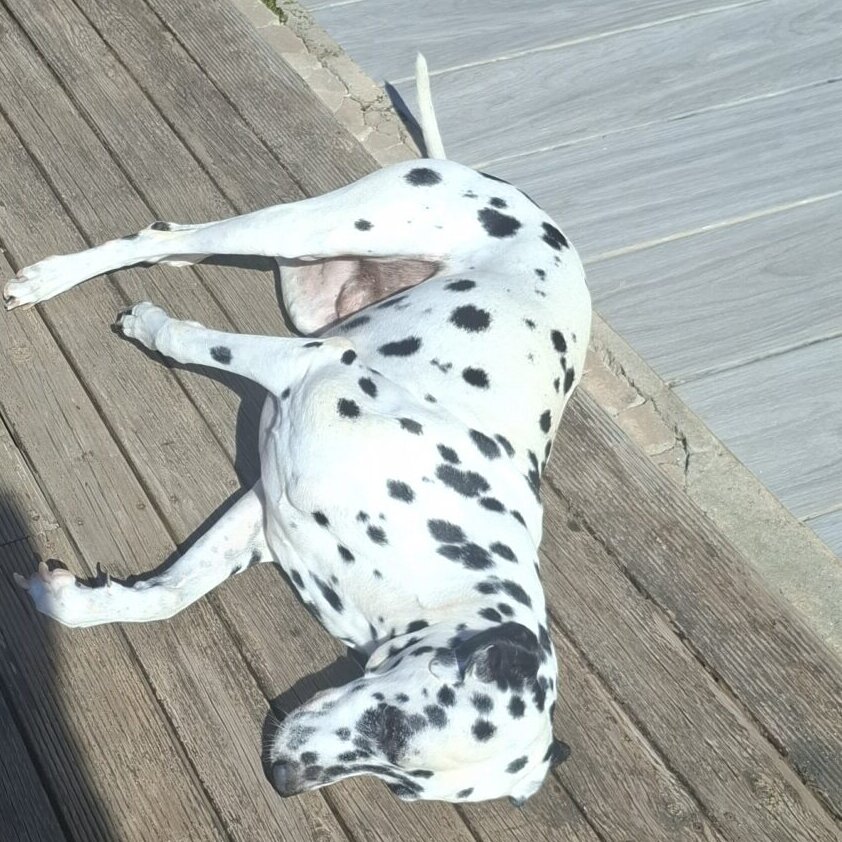
Older dogs sleep more, so the bed matters more. Look for a thick, supportive mattress that does not flatten, with a low edge so the dog can step in rather than jump. Place it somewhere warm and away from draughts, but still close to the family.
7. Keep the Brain Busy
Mental exercise is just as important as physical exercise for a senior dog, and it is easier on the body. Sniffing games, food puzzles and short training sessions keep an older mind sharp. Sniff walks, where the dog is allowed to stop and investigate, are one of the easiest ways to do this, because they use energy without hard running.
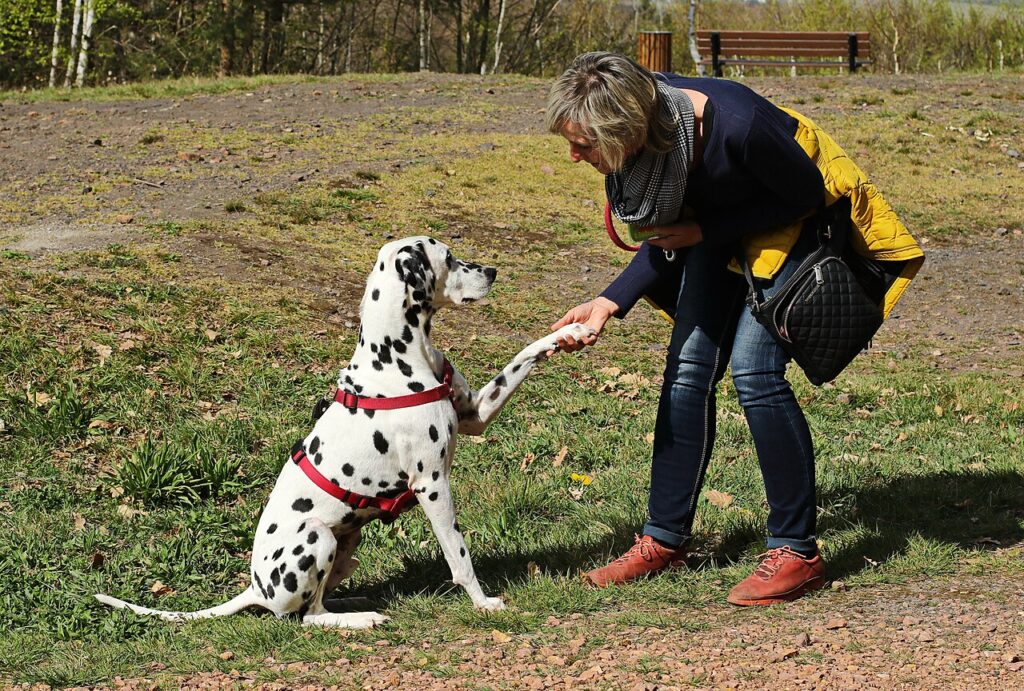
If you want a structured set of games, read our Brain Training for Dogs review.
8. Respect a Sensitive Temperament
Teo has always been a sensitive dog, and many dogs become more sensitive as they age. Hearing and eyesight can fade, which makes sudden noises and surprises more stressful. Speak before you touch a sleeping senior dog, keep routines predictable, and give them a quiet place to retreat to when the house gets busy.
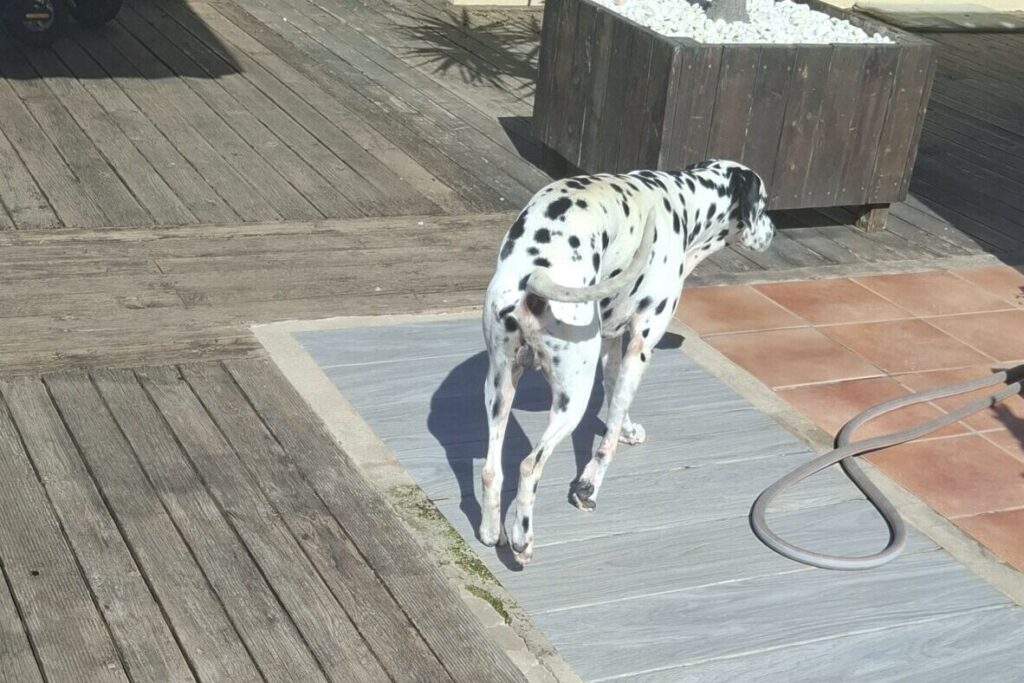
One evening my son and I were out walking Teo when we met several other dogs. They all went for him at once, and my son had to step in and separate them. Teo was very nervous afterwards. For a sensitive dog, an experience like that stays with him, and it changed how we think about where and when we walk.
If something similar happens to your dog, here is what helps:
- Check for injuries the same day. Bite wounds can hide under the coat, so feel all over the body. Contact your vet if you find any wound, swelling or limping.
- Give them calm and time. Keep the next days quiet and predictable, and let your dog rest close to the family.
- Choose quieter routes for a while. Avoid places and times where many loose dogs gather, and give other dogs plenty of space.
- Stay calm yourself. Dogs read our tension through the leash. A relaxed handler helps a nervous dog feel safe again.
A word of caution: separating fighting dogs is risky, and people are often bitten doing it. Never put your hands near the dogs’ heads. If you have to intervene, try a loud noise or a barrier first, such as a jacket or a bag.
9. Keep Up With Grooming
Dalmatians are known for shedding, and Teo is no exception. Older dogs also often need more help with their coat, skin and nails. Regular brushing spreads natural oils, removes loose hair and lets you feel for new lumps or sore spots. Nails grow longer when a dog walks less, so check them every few weeks. Our step-by-step guide shows how to deshed a dog at home.
10. Learn the Warning Signs
Some changes are normal ageing. Others need a vet. Contact your vet if your dog drinks much more than usual, loses weight without trying, has new lumps that grow, coughs, struggles to breathe, has accidents indoors, seems confused, or stops eating. Changes in stomach and stools also deserve attention, and our list of signs of poor gut health in dogs can help you spot them.
A Simple Senior Dog Care Checklist
- Vet check every six months, with blood tests when advised
- Two or three shorter walks a day on soft ground
- Food adjusted for weight and muscle, with changes made slowly
- Teeth brushed a few times a week
- Rugs, ramps and a supportive bed at home
- Ten minutes of sniffing or brain games every day
- Calm routines and a quiet place to rest
- Brushing and nail checks every few weeks
Where to Learn More
If you want more depth on training and health care as your dog gets older, Kingdom of Pets has online dog training and health care guides, including a free six-day course. It is a good next step if you like learning at your own pace.
This article is general information and not veterinary advice. If your dog shows serious or sudden symptoms, contact your vet.
Frequently Asked Questions
At what age is a dog considered a senior?
It depends on size. Small dogs are usually seniors from around 10 to 12, medium dogs from around 8 to 10, and large breeds from around 6 to 7 years old.
How often should a senior dog see the vet?
Many vets recommend a check every six months for senior dogs, so that slow-developing problems are found early.
How much exercise does a senior dog need?
Most older dogs still need daily exercise, but in shorter and gentler sessions. Two or three short walks are often better than one long one. Watch for stiffness or limping the next day and adjust.
Should I change my senior dog’s food?
Not always. Change food if your dog is gaining or losing weight, losing muscle, or has a health condition your vet wants to manage with diet. Switch gradually over about a week.
How can I keep my old dog’s mind active?
Short daily sessions of sniffing games, food puzzles and simple training work well. They tire a dog out mentally without straining the body.