
Affiliate disclosure: this article contains affiliate links. If you buy through them, I may earn a commission at no extra cost to you.
Training your dog is about building trust, communication, and good habits. With short, consistent sessions and positive rewards, most dogs can learn to listen, focus, and behave more calmly. You do not need special equipment or hours of free time — you need a routine you can actually keep.
Simple Training Tips
Use clear commands
Stick to short cues such as “sit,” “stay,” “come,” and “leave it.” Reward your dog immediately with a treat, praise, or play when it responds correctly. Timing matters far more than the size of the reward — a reward that arrives three seconds late teaches nothing.
Keep sessions short
Five to ten minutes is enough, practised regularly. You can also train during everyday activities: ask your dog to sit before meals, or to wait before going through a door. These small repetitions add up faster than one long weekend session.
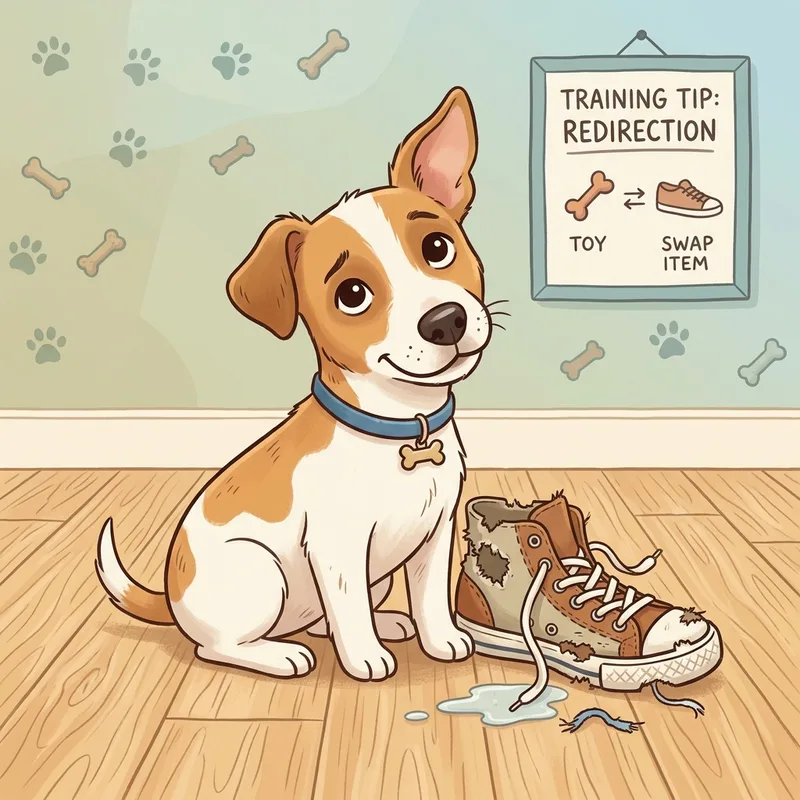
Redirect instead of scolding
When your dog grabs something it should not have, swap it for an appropriate toy rather than punishing the grab. Redirection teaches your dog what to do instead — punishment only teaches it to hide the behavior from you.
Reward calm behavior
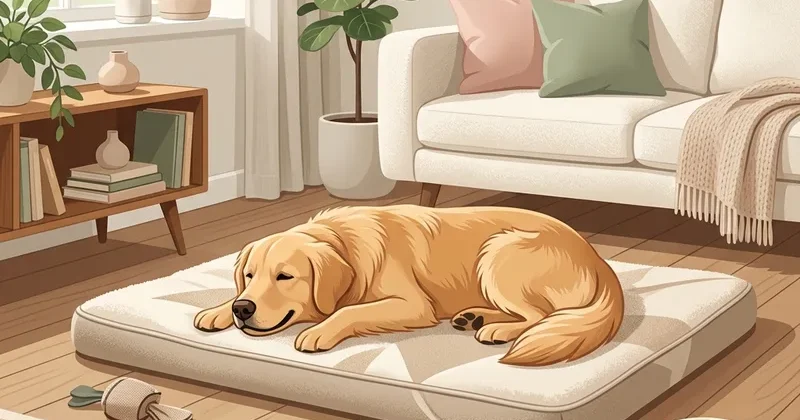
This is the step most owners skip. Give your dog praise when it lies quietly, walks without pulling, or keeps focus on you around distractions. Calmness is a behavior you can reinforce, exactly like a command — but only if you notice it and mark it.
Be Patient and Consistent
Every dog learns at a different pace. Avoid harsh punishment and focus on rewarding the behavior you want to see again. Make sure everyone in your household uses the same commands and the same rules — mixed signals are the fastest way to stall progress.
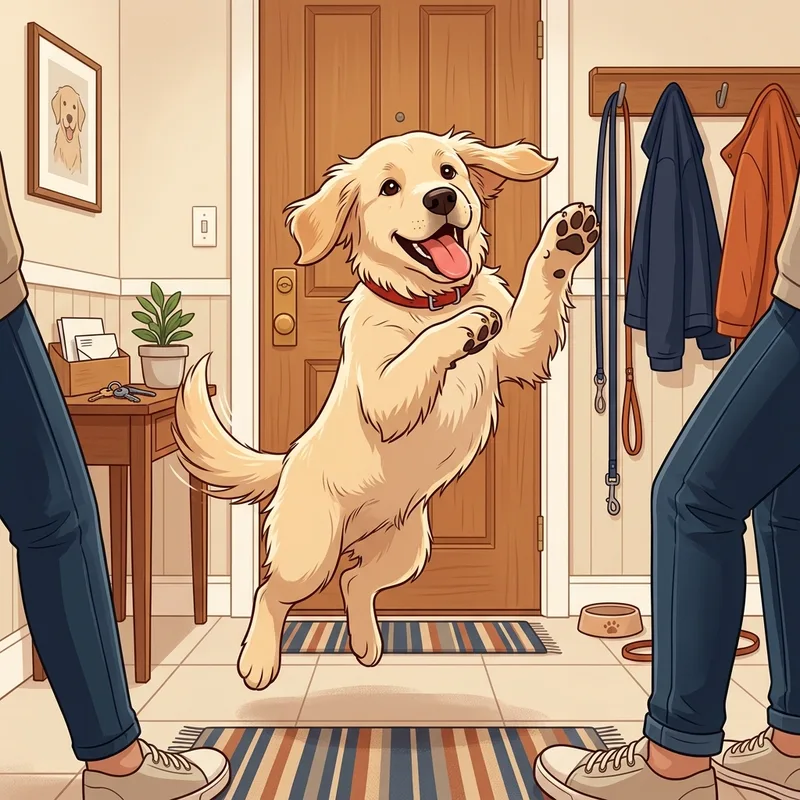
Daily walks, playtime, and mental activities such as puzzle toys or scent games also help prevent the boredom that drives a lot of unwanted behavior. A tired brain settles far more easily than a tired body alone.
Get Extra Guidance
A structured training program makes it easier to know what to practise and how to progress step by step. Choose one that uses positive, humane methods and suits your dog’s age and personality.
👉 Take the free 2-minute My Dog Plan Quiz to get a routine built around your dog’s breed, age, and your daily schedule.
Not sure why a one-size-fits-all program never quite worked for your dog? Read Why Personalized Dog Training Matters.
With patience, consistency, and positive reinforcement, you can help your dog become calmer, more focused, and happier.
Affiliate Disclosure: This article contains affiliate links. If you purchase through one of these links, we may receive a commission at no extra cost to you.